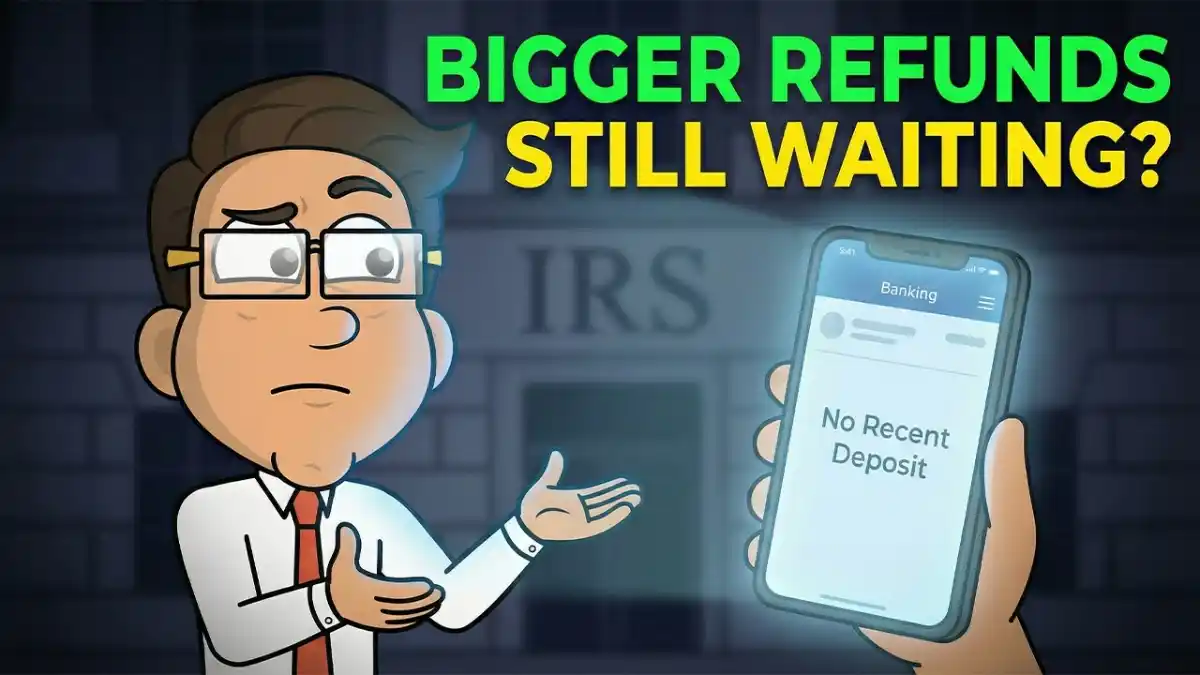
The 2026 tax season has brought mixed news for taxpayers across the United States. While many filers are seeing larger refund amounts compared to previous years, delays in processing continue to impact a significant number of returns.
Understanding what’s causing these delays and what to expect can help taxpayers plan better.
Bigger Refunds in 2026
Many taxpayers are receiving higher refunds this year due to several factors:
- Adjustments in tax brackets and standard deductions
- Updated credits and benefits
- Higher tax withholdings in some cases
These changes have contributed to an increase in average refund amounts for many filers.
Why Refund Delays Are Still Happening
Despite improvements in processing systems, delays remain a concern in 2026. Common reasons include:
- Errors or missing information in tax returns
- Additional verification for certain tax credits
- Identity verification checks
- High volume of filings during peak season
Even small mistakes can slow down the processing time significantly.
Who Is Most Affected
Certain groups are more likely to experience delays:
- Taxpayers claiming Earned Income Tax Credit (EITC)
- Those claiming Child Tax Credit (CTC)
- Filers with complex returns
- Individuals who filed paper returns
These returns often require additional review before refunds are issued.
Current IRS Processing Timeline
For most taxpayers:
- E-file with direct deposit: 10 to 21 days
- Paper filing: 6 to 8 weeks or longer
However, delayed cases may take additional time depending on verification requirements.
How to Avoid Refund Delays
To reduce the chances of delay:
- Double-check all personal and bank details
- File electronically instead of paper filing
- Choose direct deposit
- Avoid claiming incorrect credits
Accurate filing is the key to faster processing.
How to Track Your Refund
Taxpayers can track their refund using the IRS “Where’s My Refund” tool. It provides updates on:
- Return received
- Refund approved
- Payment sent
Checking regularly can help you stay informed about your refund status.
Final Thoughts
The IRS Tax Refund update for 2026 highlights a clear trend—larger refunds for many taxpayers, but ongoing delays for some. While the system continues to improve, accurate filing and early submission remain the best ways to receive your refund on time.