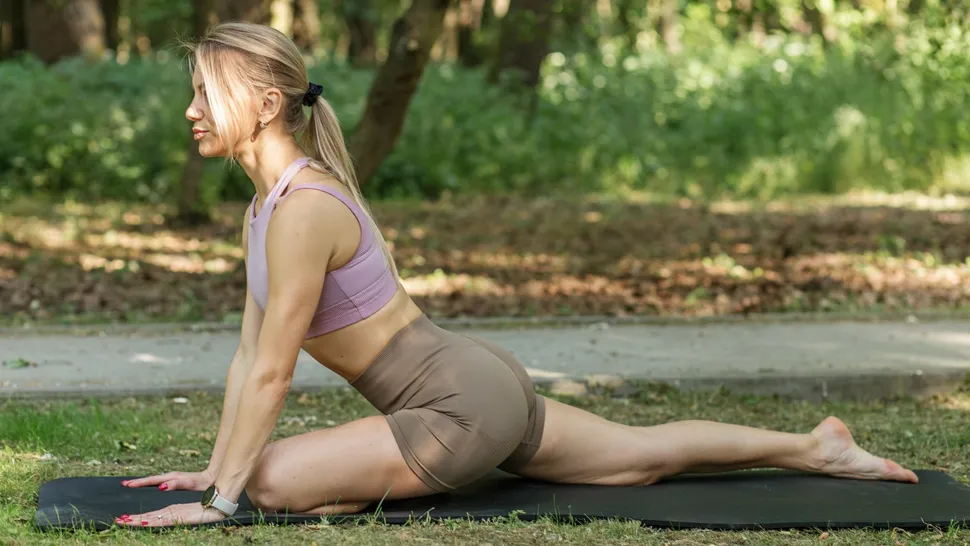
Why Hip Mobility Matters More Than You Think
Hip mobility plays a crucial role in how your body moves, feels, and performs every day. Tight or restricted hips can lead to discomfort, poor posture, and even lower back pain. According to mobility experts, your hips may feel fine on the surface, but they often compensate in ways you don’t notice—this is where the idea that “hips don’t lie, but they do tricks” comes from.
Improving hip mobility isn’t just about flexibility—it’s about control, strength, and smooth movement.
What Is ‘Liquid’ Hip Mobility
‘Liquid’ hip mobility refers to the ability to move your hips freely and smoothly in all directions without stiffness or pain. It combines flexibility with strength and coordination, allowing your body to move naturally and efficiently.
Instead of stiff or jerky movements, your hips feel fluid, controlled, and responsive.
1. Controlled Hip Circles (CARs)
Controlled Articular Rotations (CARs) are one of the best exercises for improving joint mobility. Stand tall or get on all fours and slowly rotate your hip in a full circular motion.
Focus on:
- Moving slowly and with control
- Keeping the rest of your body stable
- Exploring your full range of motion
This exercise helps improve joint health and increases awareness of how your hips move.
2. 90/90 Hip Switch
Sit on the floor with one leg bent in front at 90 degrees and the other behind you at 90 degrees. Slowly switch sides without using your hands if possible.
Benefits include:
- Improved internal and external hip rotation
- Better control and coordination
- Reduced stiffness over time
This move is highly effective for unlocking tight hips and building mobility.
3. Deep Lunge with Rotation
Step into a deep lunge position and place one hand on the ground. Rotate your upper body toward your front leg, reaching upward with your opposite arm.
This movement helps:
- Stretch hip flexors
- Improve spinal mobility
- Enhance overall movement flow
It combines flexibility and strength, making it a powerful addition to your routine.
How to Practice for Best Results
To see real improvement, consistency is key. You don’t need long workout sessions—just a few minutes daily can make a big difference.
- Practice these moves 4–5 times a week
- Focus on slow, controlled movement
- Avoid pushing into pain
- Breathe steadily during each exercise
Over time, your hips will feel more flexible and responsive.
Signs Your Hip Mobility Is Improving
As you continue practicing, you may notice:
- Less stiffness while sitting or standing
- Improved posture
- Easier movement during workouts
- Reduced discomfort in hips and lower back
These are signs that your hips are becoming more “liquid” and functional.
Final Thoughts
Your hips may not always show obvious signs of tightness, but they can still limit your movement in subtle ways. By practicing these three simple exercises, you can improve flexibility, strength, and overall mobility.
“Liquid” hip mobility isn’t about doing more—it’s about moving better. Start small, stay consistent, and enjoy smoother, pain-free movement in your daily life.